
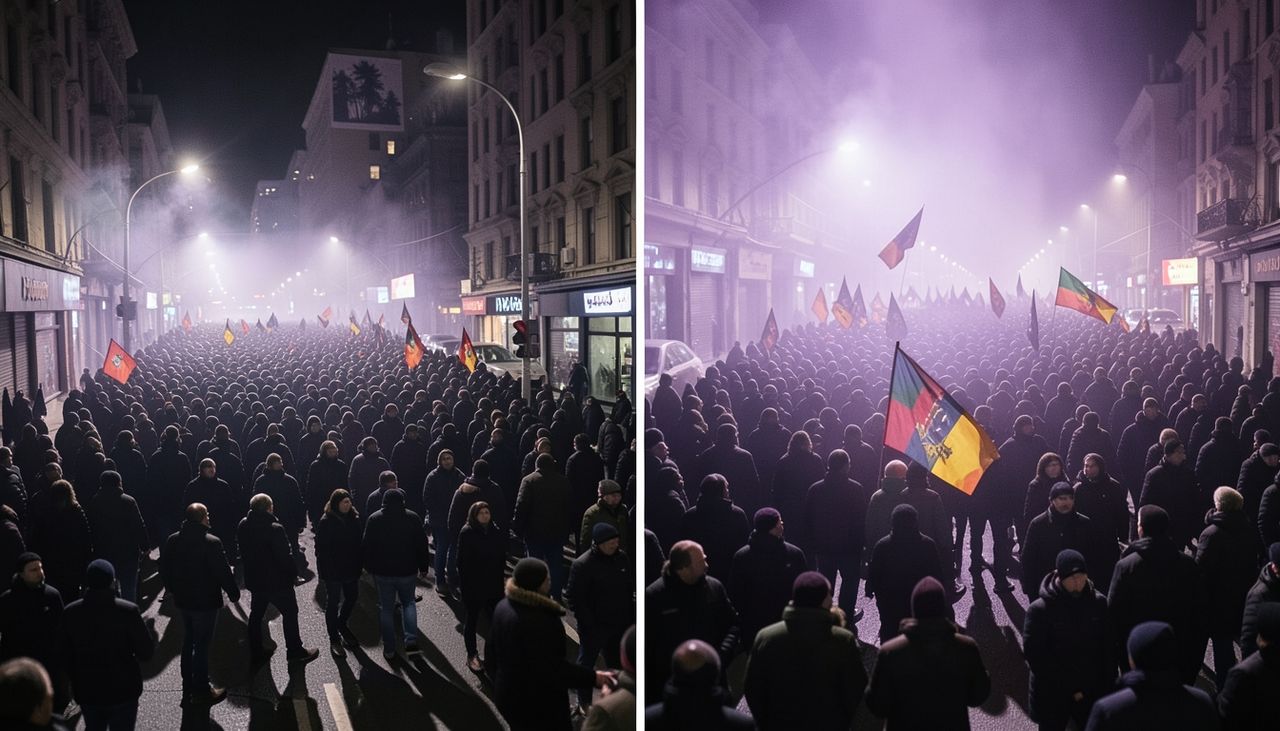
AI-generated illustration
Israeli newspapers reported that Israel faces two significant foreign policy setbacks after weekend elections in Brazil and Serbia removed two political figures long regarded as close allies of Tel Aviv.
According to Yedioth Ahronoth, the outcome in Brazil ended hopes of repairing the diplomatic rift and of moving the embassy to Jerusalem, while the political turmoil in Serbia has thrown critical arms shipments and a drone partnership into doubt, exposing the risks of Prime Minister Benjamin Netanyahu's reliance on personal alliances.
Bolsonaro defeat sinks Jerusalem embassy plan
Relations between Israel and Brazil are already at a historic low. Israel declared President Luiz Inacio Lula da Silva persona non grata over statements comparing Israel's attacks on Gaza to the Holocaust and the conduct of Israeli soldiers to that of the Nazis. Neither country currently has an ambassador serving in the other's capital.
Senator Flavio Bolsonaro, the son of former President Jair Bolsonaro, entered the election race promising to reverse the Lula administration's policies, deepen military and diplomatic cooperation, and move the Brazilian Embassy from Tel Aviv to Jerusalem. Bolsonaro also pledged to restore diplomatic representation, saying the credentials of a new Israeli ambassador would be accepted on the first day in office.
Prime Minister Benjamin Netanyahu openly backed a change of government in Brazil, congratulating Bolsonaro after the first round and wishing him success in the runoff. That public support widened the already deep gap between Netanyahu and Lula. Netanyahu is not expected to call Lula to congratulate the election victory.
Lula secured another presidential term by defeating Bolsonaro. The newspaper reported that the defeat shelves all of those pledges: the return of ambassadors to the capitals, closer defense cooperation and any prospect of moving the embassy to Jerusalem, leaving Israel facing a new period under a Lula government with which Netanyahu's relationship is openly hostile.
Serbia had become a strategic arms supplier
Yedioth Ahronoth reported that the Serbian election results could carry far heavier costs for Israel, since ties between Tel Aviv and Belgrade had already turned into a strategic military partnership.
Under Aleksandar Vucic, Serbia became a key supplier during what the report described as Israel's attacks amounting to genocide in the Gaza Strip. While many countries imposed restrictions or embargoes on arms exports to Israel over war crimes, the Serbian government continued military equipment and ammunition shipments without interruption. A large air bridge was built as shipments reached record levels during the attacks on Gaza, replenishing the bombs, missiles and artillery shells consumed by the Israeli army.
The military logistics line between the two countries turned to joint production in September 2026, when a factory opened in Serbia to assemble Israeli-origin drones in cooperation with the Israeli defense company Elbit Systems.
Continuity of military cooperation in doubt
Vucic's defeat in the parliamentary elections, accepted against a movement led by students that grew out of nearly two years of anti-government protests, raises serious questions about whether the new Serbian leadership will continue that military cooperation.
Another dimension of the change of government in Serbia is the possibility of rapprochement with the European Union. European Commission President Ursula von der Leyen welcomed the student movement's election victory and said the bloc was ready to support Serbia's accession process.
The newspaper reported that Belgrade's search for integration with European institutions could pressure the new administration to align with the European Union's official line on the Israeli-Palestinian issue and to suspend the military partnership with Tel Aviv.
Netanyahu's reliance on personal alliances exposed
According to the report, the election results in both countries expose a weakness in the way Netanyahu has built much of Israel's international relations. The problem is not limited to Brazil and Serbia. Similar risks arise in Israel's ties with the United States and European countries, where changes of government can shape policies directly even when strategic interests remain the same.
Key takeaways
- Lula's victory in Brazil ends plans to move the Brazilian Embassy from Tel Aviv to Jerusalem and to restore ambassadors, the Israeli newspaper Yedioth Ahronoth reported.
- Israel declared Lula persona non grata over his Holocaust comparisons, and neither country has an ambassador in the other's capital.
- Serbia had kept sending arms to Israel during the Gaza war and opened a drone assembly plant with Elbit Systems in September 2026.
- Vucic's parliamentary election defeat and Serbia's possible EU rapprochement could suspend the military partnership with Tel Aviv.

Join the conversation
Share your thoughts on this story.
Comments
Post a Comment